Hotel Hospitality Roofing in Richmond, VA
Hospitality and Hotel Roofing for Richmond commercial buildings, with roof walks, practical documentation, and facility-focused scope planning.
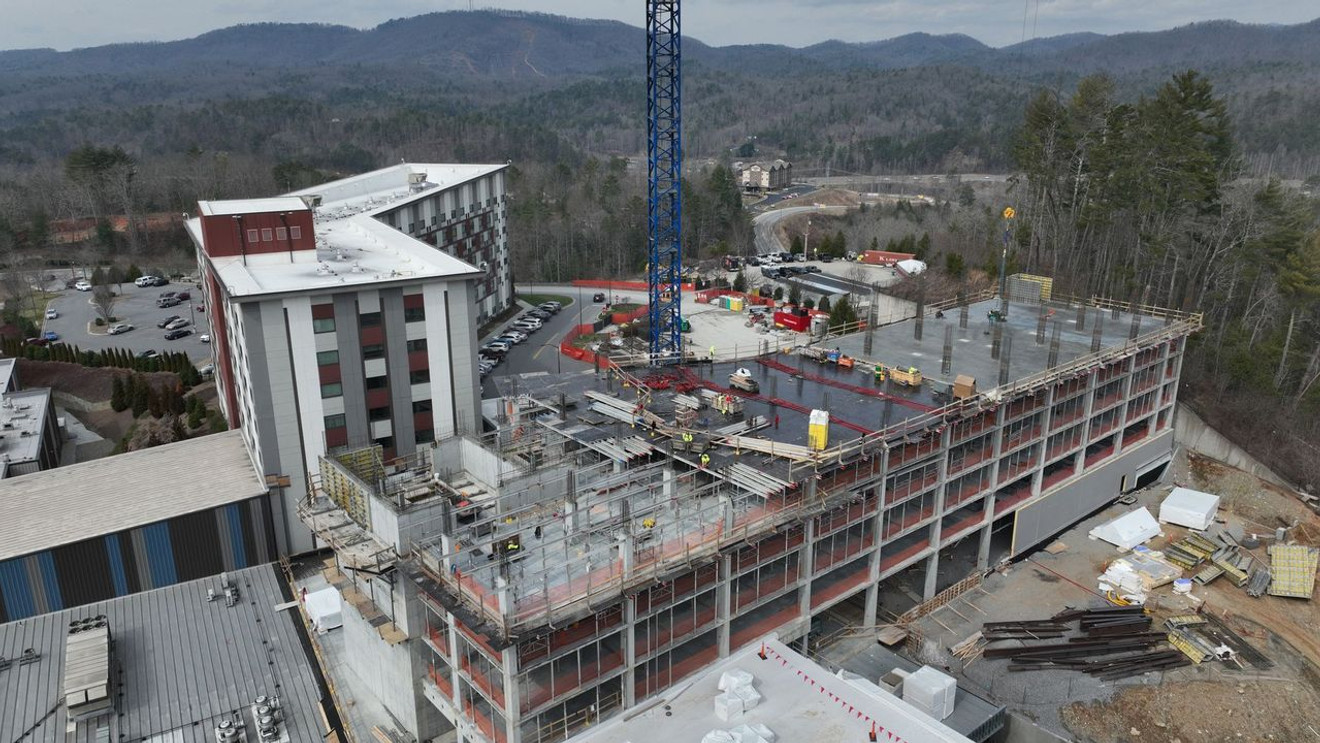
For Hospitality and Hotel Roofing, the first useful roof note is usually written at the hatch, before anyone starts talking about products. On a Hospitality and Hotel Roofing call, we want the building use, the leak history, the roof age if it is known, the tenant schedule, and the reason the question landed now. A hospitality and hotel roofing inquiry can mean an active leak above inventory, a planned capital project, an ownership due-diligence item, a warranty question, or a roof that simply has too many old patches to ignore. For Hospitality and Hotel Roofing, we start by walking the roof and writing down grease exposure, exhaust curbs, conduit stands, satellite mounts, expansion joints, and roof-zone drainage before any recommendation becomes a number.
The buyer for Hospitality and Hotel Roofing is usually carrying responsibility beyond the roof. On Hospitality and Hotel Roofing, the concern for owners and managers responsible for this building type is downtime, interior protection, budget clarity, tenant confidence, documentation, and whether the next storm exposes a decision that was rushed. We write the Hospitality and Hotel Roofing file so the person approving the work can see what we saw: where water is traveling, what looks isolated, what looks systemic, and what needs verification before money is spent. The framing is written for the buyer who searched for hospitality and hotel roofing, not for a general roofing glossary.
Local roof context
Richmond adds facts that change Hospitality and Hotel Roofing planning. For Hospitality and Hotel Roofing, White Oak industrial listings call out access to I-64, I-295, Richmond International Airport, and heavy utility service, making roof work there more industrial and logistics-oriented than storefront-oriented. That Hospitality and Hotel Roofing fact affects access windows, delivery assumptions, crew routing, and how we discuss roof work around occupied buildings. When a Hospitality and Hotel Roofing property sits near offices, entertainment districts, airport cargo, port movement, or industrial campuses, the roof plan has to account for more than membrane square footage.
A second local anchor matters for Hospitality and Hotel Roofing: DHCD notes Virginia adopted the 2021 I-codes as referenced in the Virginia Construction Code and the 2020 National Electrical Code effective January 18, 2024. We use that Hospitality and Hotel Roofing market context to decide whether the roof conversation should lean toward fast leak control, detailed replacement scope, maintenance budgeting, moisture investigation, or work sequencing. A Hospitality and Hotel Roofing roof above a restaurant in Carytown, a logistics property near White Oak, or a medical office near downtown can all need commercial roofing, but the risk they create for the owner is different.
Inspection and scope planning
On the technical side, Hospitality and Hotel Roofing comes down to guest operations, event calendars, kitchen exhaust, rooftop amenities, and quiet staging. On Hospitality and Hotel Roofing, we do not pretend a coating solves wet insulation, that a recover belongs over trapped moisture, or that one patch equals a capital plan. For Hospitality and Hotel Roofing, we look for system age, previous repair chemistry, manufacturer markings, deck movement, rooftop-unit traffic, edge-metal movement, and interior leak maps. Those Hospitality and Hotel Roofing observations decide whether the responsible answer is repair, restoration, recover, replacement, or continued maintenance.
Drainage gets its own attention on Hospitality and Hotel Roofing. For Hospitality and Hotel Roofing, Richmond summer rain patterns, older roof decks, parapets, conductor heads, and low-slope sections can make a small defect look random until water backs up at the same location twice. During a Hospitality and Hotel Roofing walk, we check drains, scuppers, strainers, overflow paths, ponding marks, downspout discharge, and roof-edge details. If drainage is the real reason Hospitality and Hotel Roofing keeps failing, we call that out before the scope is reduced to a cosmetic surface repair.
Access planning for Hospitality and Hotel Roofing is part of the work, not an afterthought. A Hospitality and Hotel Roofing project may need downtown pedestrian protection, restaurant odor control, school-calendar sequencing, hospital sensitivity, dock scheduling, airport-area security, or industrial lockout coordination. We write those Hospitality and Hotel Roofing constraints directly into the scope because a clean roofing number can still be a bad buy if the work cannot be staged around the building's real operations.
Budget, code, and documentation
Budget clarity for Hospitality and Hotel Roofing comes from separating urgent control from long-term ownership decisions. For Hospitality and Hotel Roofing, we identify what stops water now, what prevents repeat leaks, what deserves annual maintenance, what belongs in a restoration conversation, and what points toward replacement. That does not mean every Hospitality and Hotel Roofing roof receives five prices. For Hospitality and Hotel Roofing, it means the file gives ownership a practical sequence instead of forcing a full replacement decision when the actual issue is narrower, or selling a patch when the roof is already past that lane.
Code and existing-building assumptions also show up in the Hospitality and Hotel Roofing file. For Hospitality and Hotel Roofing, Visit Richmond identifies Scott's Addition and Manchester among core neighborhoods, both carrying commercial reuse, hospitality, restaurant, and mixed-use roof conditions that differ from suburban offices. A Hospitality and Hotel Roofing reroof can raise questions about insulation, deck condition, perimeter securement, drainage, penetrations, and whether a hidden condition needs a test cut before the proposal is final. We are careful with Hospitality and Hotel Roofing code language because vague code talk creates confusion; clear assumptions help a building owner compare bids more honestly.
Documentation matters after the Hospitality and Hotel Roofing crew leaves. A useful Hospitality and Hotel Roofing closeout file should include roof-zone photos, repair locations, materials used, weather observations, access notes, and maintenance recommendations. For Hospitality and Hotel Roofing buyers, that record supports tenant conversations, lender questions, reserve planning, insurance documentation, future service calls, and internal budget review. Without that record, Hospitality and Hotel Roofing problems are often rediscovered from scratch every time a new manager inherits the roof.
Manufacturer and warranty language for Hospitality and Hotel Roofing stays conservative. If Hospitality and Hotel Roofing involves Carlisle, Elevate, GAF, Versico, Mule-Hide, Johns Manville, Sika Sarnafil, Soprema, IKO, Duro-Last, or another commercial system, we identify the submittal questions and product-family assumptions without inventing credentials. For Hospitality and Hotel Roofing, we will not claim certification, warranty approval, claim approval, or project history that is not documented for this business. Honest Hospitality and Hotel Roofing comparison is more useful than a polished claim the buyer cannot verify.
Timing also changes Hospitality and Hotel Roofing. A manager asking about Hospitality and Hotel Roofing before a tenant improvement, lender inspection, lease renewal, capital budget cycle, or storm season needs a different file than a manager calling during active water entry. We ask why the Hospitality and Hotel Roofing decision is being made now because the reason shapes the right level of investigation. For Hospitality and Hotel Roofing, the next step may be an emergency dry-in, a moisture scan, a test cut, a maintenance visit, or a replacement alternate that belongs in next year's budget.
Questions building owners ask
What changes the realistic budget range for Hospitality and Hotel Roofing?
For Hospitality and Hotel Roofing, the main variables are roof size, access, insulation condition, deck condition, drainage, rooftop equipment, edge metal, and whether the roof belongs in repair, restoration, recover, or replacement.
Can hospitality and hotel roofing be handled while the building stays occupied?
Usually, but a Hospitality and Hotel Roofing plan has to account for noise, odor, safety lines, loading areas, tenant movement, interior protection, weather windows, and the parts of the building that cannot be interrupted.
How do we decide between repair and replacement for Hospitality and Hotel Roofing?
For Hospitality and Hotel Roofing, we separate isolated defects from system-wide failure. One damaged Hospitality and Hotel Roofing curb, drain, or membrane tear may stay in repair; widespread wet insulation, repeated seam failures, exhausted surfacing, or unsafe edges change the conversation.
Will the scope include photos and written notes for Hospitality and Hotel Roofing?
Yes. The point is to create a Hospitality and Hotel Roofing roof file with photos, roof-zone notes, access assumptions, exclusions, and recommendations so the buyer can compare options without relying on memory from a roof walk.
Do you promise manufacturer certification or insurance approval for Hospitality and Hotel Roofing?
No. For Hospitality and Hotel Roofing, we do not invent credentials or promise claim outcomes. We document Hospitality and Hotel Roofing conditions, identify manufacturer or warranty questions, and keep the scope tied to reviewable facts.
Bring us the Hospitality and Hotel Roofing question.
Call 804-689-3469 or send the building location, roof history, photos, and access notes to estimates@commercialroofingrichmond.com.
Talk to a Richmond commercial roofer
Tell us about the building and the issue. We will set up a roof walk and get you a clear, documented scope.