
Church Roofing in Richmond, VA
Commercial roofing for churches, worship centers, and religious facilities throughout Richmond, VA.
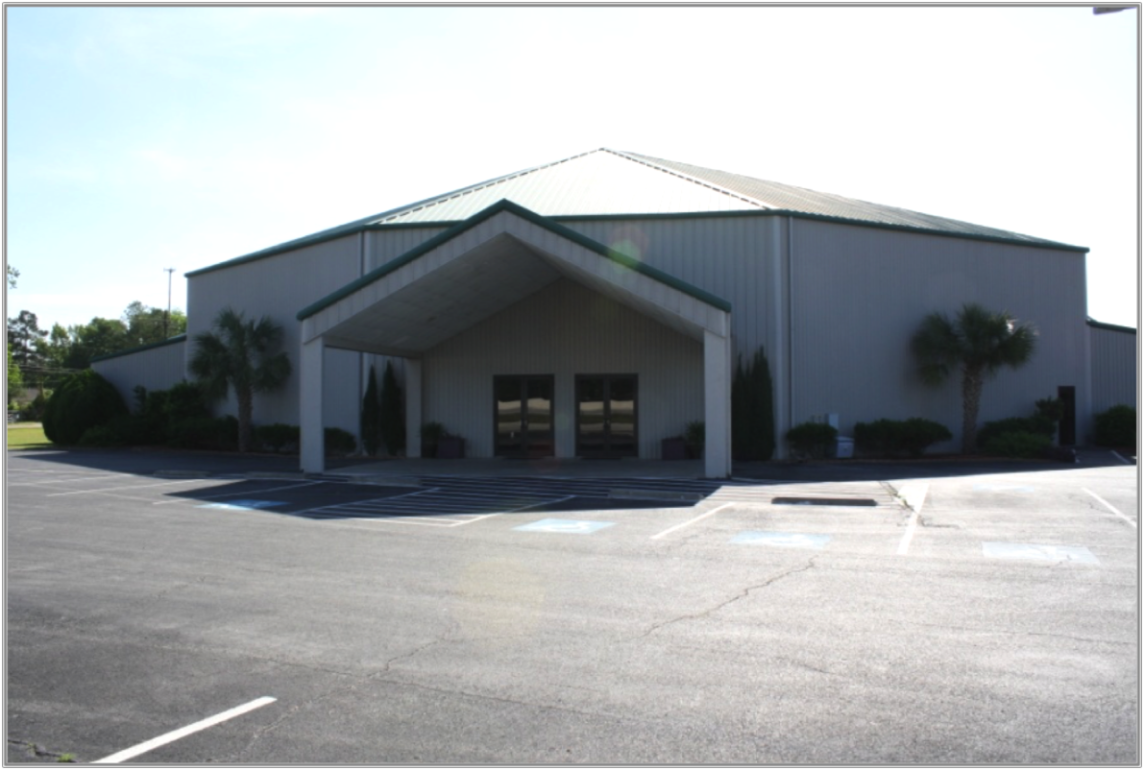
St. Paul's Episcopal Church on Grace Street in downtown Richmond has served as one of Virginia's most historically significant congregations for nearly two centuries, occupying a building that witnessed major events in American history and continues to draw worshippers from across the Richmond metro. Richmond's church roofing market reflects the city's dual identity as a city with deep historic preservation values and a fast-growing metropolitan area that is simultaneously constructing new worship facilities across Henrico, Chesterfield, and the surrounding counties.
Virginia's climate subjects Richmond's church roofs to a demanding range of conditions that span every season. Humid summers with temperatures regularly exceeding 95°F stress membrane seams and put thermal expansion loads on every roofing assembly. Winter ice events — Richmond sits in the transition zone where precipitation alternates between rain, sleet, and snow in a single storm — create freeze-thaw cycling that works particularly hard on parapet flashings, coping joints, and any area where water can pool and refreeze. Hurricane and tropical storm remnants regularly pass through the Richmond area in late summer and fall, bringing multi-inch rain totals that test drainage capacity.
Clear-span structural systems on Richmond's older churches present both architectural significance and roofing complexity. Many of the city's historic congregations feature wood-framed or timber truss clear-span sanctuaries that may show decades of deflection and some degree of structural settlement. A pre-project structural assessment that identifies the extent of any deflection and confirms the deck's capacity to support a new roofing system is responsible practice before any significant capital investment is made in a new membrane. A contractor who proceeds without this assessment is accepting risk that should belong to the structural analysis stage, not the installation stage.
Capital campaigns in Richmond's faith community typically align with annual giving cycles, with major building fund commitments made in the fourth quarter for implementation in the following year. This timeline positions congregations for first-quarter planning and procurement leading to spring or early summer construction starts — which is an ideal timing for Richmond's climate. Spring temperatures allow adhesives and heat-welded seams to cure reliably without the summer heat extremes that accelerate material degradation during installation, and spring precipitation patterns in Richmond are more predictable than the winter freeze-thaw cycle.
The Richmond market includes a significant number of African American congregations with deep roots in the city's history, many of them occupying landmark buildings with architectural significance that matches or exceeds the more prominently documented white historic congregations. These buildings deserve the same caliber of roofing expertise and the same level of detailed specifications as any other historic structure, and church leadership serving these communities should not accept contractors who fail to demonstrate the craftsmanship and historic sensitivity their buildings warrant.
Scheduling roofing projects around a Richmond church's programming calendar requires early coordination with the church office. Many Richmond congregations serve as community anchors, operating food pantries, tutoring programs, twelve-step meeting spaces, and polling locations in addition to their regular worship programming. A roofing contractor who understands the community-service dimensions of urban church programming will approach occupied-building management with greater care and respect than one accustomed only to after-hours commercial construction.
Richmond's building permit process for roofing work on properties in the Old and Historic Richmond District or in the Fan District involves review by the Commission of Architectural Review, which evaluates the impact of proposed work on historic character. Church buildings in these districts may face constraints on visible roofing materials and colors that require discussion with the Commission before contractor selection and specification finalization. An experienced Richmond contractor will identify these review requirements early and help the congregation navigate the process efficiently.
Energy performance is an increasingly relevant consideration for Richmond churches as utility costs consume a larger share of operating budgets. Cool-roof membranes with high Solar Reflectance Index ratings reduce cooling loads on the mechanical systems serving large, air-conditioned sanctuaries and fellowship halls. Dominion Energy's commercial efficiency programs periodically offer incentives for building envelope improvements including cool roofing, and a knowledgeable contractor can help the church facilities team identify applicable programs before the project scope is finalized.
The decision to invest in a new roofing system is a significant one for any Richmond congregation, and it deserves the same level of rigorous evaluation that a responsible board would apply to any major capital commitment. Competitive bidding, reference verification, insurance confirmation, and a careful review of the proposed specification — including a comparison between what each contractor has actually proposed versus what was specified — are the minimum due-diligence steps that protect the congregation's investment and ensure a result that will serve the community for the next generation.
- What are the most important roofing failure points for Richmond churches?
- Richmond's ice storm events create the most damaging failure mode: ice dams forming at eave edges and parapet bases that force liquid water under membrane laps. Proper edge metal height, adequate insulation to reduce heat transfer to the deck surface, and positive drainage design that prevents ponding near perimeter edges are the primary defenses. Flashing failure at chimney and parapet wall bases caused by the city's freeze-thaw cycling is the second most common failure mode.
- Does Richmond have historic preservation requirements that affect church roofing?
- Yes. Buildings in Richmond's several historic districts — including the Old and Historic Richmond District and the Fan and Boulevard Historic District — are subject to review by the Commission of Architectural Review for exterior modifications including roofing changes. The review process evaluates visible materials and profiles, and an experienced local contractor will identify whether your church triggers this review requirement at the outset of project planning.
- What is the typical cost for a Richmond church roof replacement?
- Commercial roofing installation costs in Richmond typically range from $11 to $25 per square foot depending on system type, building complexity, and existing conditions. Historic buildings with significant architectural detailing, masonry repair needs, or limited access tend to run higher. A detailed assessment of existing conditions and a written specification with defined scope of work is the foundation for a reliable competitive bid process.
- How should Richmond congregations prepare for tropical storm season?
- Conduct a pre-season inspection each May to confirm drain flow capacity, check all perimeter edge metal and flashing terminations, and clear any debris from drain bowls and gutters. Have your roofing contractor's emergency contact information posted in the facilities office, and document your roof's current condition with photographs before storm season begins so that any post-storm damage is clearly distinguishable from pre-existing conditions during insurance adjustment.
- What warranty documentation should we receive at project completion?
- You should receive the manufacturer's registered warranty certificate specifying coverage period and terms, the contractor's written workmanship warranty (minimum two years), as-built drawings reflecting any field conditions that differed from the original specification, product data sheets for all installed materials, and a written maintenance protocol. Keep these documents in both physical and digital formats accessible to future building committees and facilities staff.
Talk to a Richmond commercial roofer
Tell us about the building and the issue. We will set up a roof walk and get you a clear, documented scope.