
Healthcare Facility Roofing in Richmond, VA
Commercial roofing for hospitals, medical office buildings, surgical centers, and healthcare facilities throughout Richmond, VA.
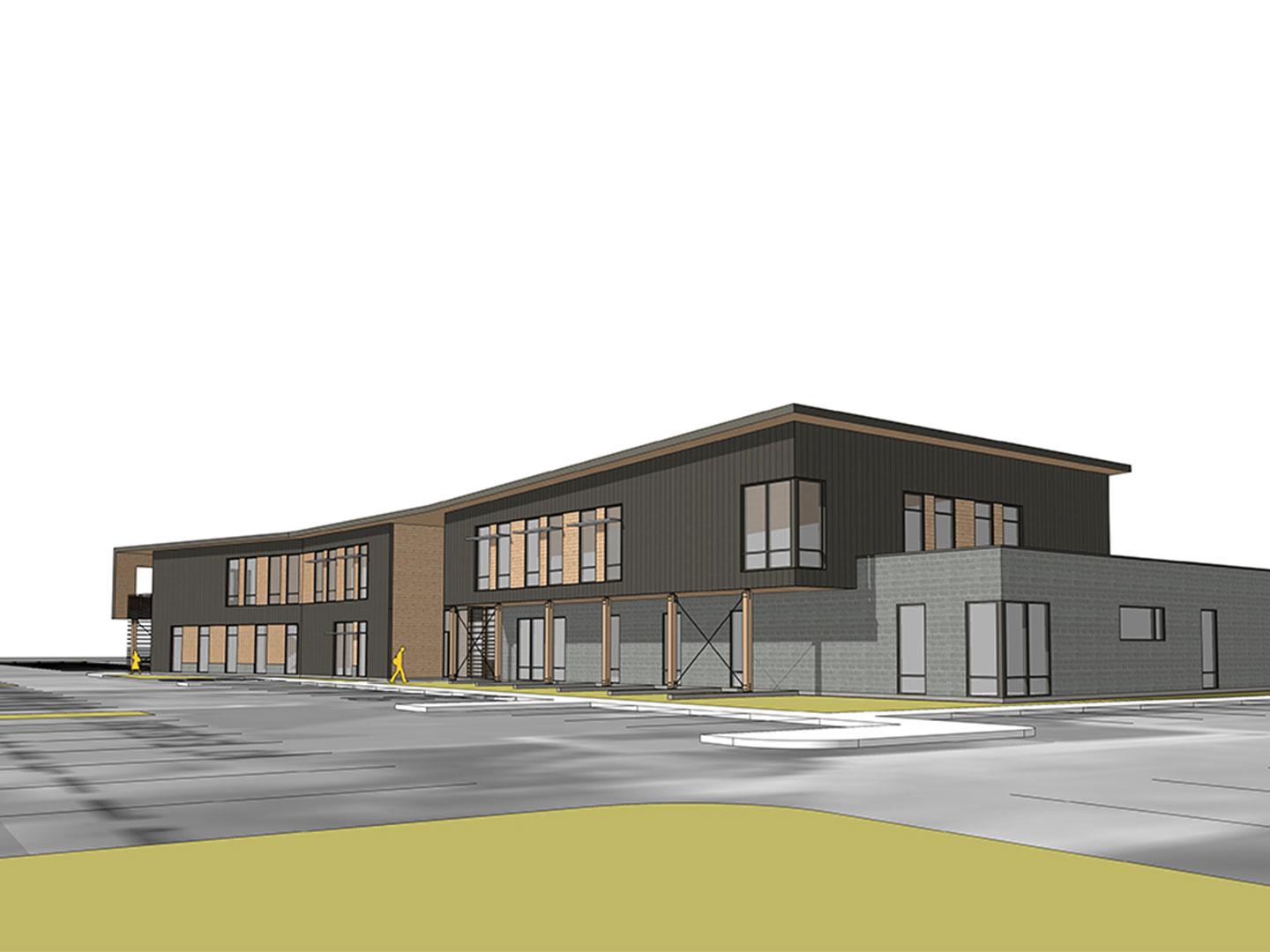
Richmond's healthcare sector has expanded dramatically over the past decade, with VCU Health System anchoring a medical corridor that stretches from Shockoe Bottom through the Fan District into the broader metropolitan area. Hospitals such as VCU Medical Center, Bon Secours St. Mary's Hospital, and Johnston-Willis Medical Center represent billions of dollars in real estate, each housing sterile operating suites, intensive care units, and pharmacy compounding rooms that demand absolute watertight protection overhead. For a commercial roofing contractor serving these facilities, a single storm-driven leak that reaches a Class 10,000 clean room or a medication storage area can trigger regulatory citations, costly decontamination protocols, and patient safety incidents that no hospital administrator wants on their record. The accountability begins at the roof membrane, and it begins the moment a procurement decision is made.
Virginia's weather creates layered roofing challenges unlike anything seen in more temperate markets. Richmond endures humid summers with afternoon thunderstorms capable of dumping two inches in under an hour, followed by winters that cycle repeatedly through the freeze-thaw range. The James River flood plain influence means ambient humidity stays elevated for extended periods, accelerating membrane aging and edge-flashing degradation on flat commercial roofs. For healthcare facilities in the Henrico County medical corridor or the newer development zones near Short Pump, this means scheduled inspections are not optional niceties—they are the only reliable mechanism for catching membrane blistering, seam separation, and ponding water before those conditions evolve into active leaks during the next thunderstorm event.
Infection control is a non-negotiable priority that shapes every aspect of roofing work performed on occupied healthcare buildings. The Virginia Department of Health enforces ICRA—Infection Control Risk Assessment—standards that require contractors working above occupied patient care areas to implement barrier containment, HEPA-filtered negative air pressure, and debris management protocols that prevent bioaerosols from entering air handling systems. At Richmond's large medical campuses, HVAC intake louvers sit at roof level, meaning improperly managed roofing debris or standing water can directly contaminate air supplies entering surgical suites. Contractors who lack hospital-environment experience often underestimate the documentation burden alone; VCU Health and Bon Secours facilities routinely require infection control permits, pre-work safety plans, and post-work clearance inspections before areas return to full clinical use.
Medical gas penetrations through the roofing assembly represent one of the most technically demanding aspects of healthcare roofing in Richmond. Oxygen, nitrous oxide, medical air, and vacuum system lines all pass through the roof at various points, and each penetration must be sealed with materials compatible with the gases involved and capable of accommodating thermal movement without cracking. At older Richmond hospitals that date to construction cycles in the 1960s and 1970s, these penetrations have often been patched and re-patched by multiple contractors over decades, leaving a patchwork of incompatible sealants that fail progressively. A comprehensive roofing assessment catalogs every penetration by type, seal condition, and adjacency to drainage paths before any membrane work begins.
The surgical center and ambulatory surgery market in the Richmond metro has grown substantially, with standalone facilities in Midlothian, Chesterfield County, and the Stony Point corridor supplementing the downtown hospital campuses. These smaller-footprint buildings typically use TPO or EPDM single-ply roofing systems and share one critical vulnerability with their larger hospital counterparts: the HVAC rooftop units that manage surgical suite air exchanges are heavy, vibration-producing equipment that accelerates membrane wear around mounting curbs. Periodic inspection of curb flashing, pipe boot seals, and equipment pads at these surgical centers prevents the drip-by-drip infiltration that, left undetected, saturates insulation boards and eventually reaches ceiling tiles above procedure rooms.
Assisted living communities across the Richmond region—concentrated in Chesterfield County, Henrico, and along the Route 60 corridor—present roofing challenges tied to both occupant vulnerability and operational continuity. Residents in memory care units and skilled nursing wings cannot be quickly evacuated during an emergency reroofing project, which means scheduling, noise management, and vibration minimization must be built into the project plan from day one. Facilities affiliated with networks such as Sunrise Senior Living and local independent operators expect contractors to coordinate with nursing supervisors, communicate daily schedules, and commit to watertight conditions at the end of each working day rather than leaving open sections unprotected overnight.
Preventive maintenance contracts tailored to healthcare facility timelines offer the most cost-effective roofing strategy for Richmond medical property owners. A twice-annual inspection regime—one after winter freeze-thaw cycles and one following peak summer storm season—catches the majority of developing failures before they breach the interior. These inspections should include thermal imaging scans of the membrane surface to identify subsurface moisture infiltration that visual inspection misses entirely, drainage system cleaning to eliminate the standing water that accelerates UV membrane degradation, and documentation submitted in formats acceptable to facilities management departments that operate under Joint Commission and CMS compliance requirements.
Energy performance is an increasingly prominent consideration for healthcare roofing in Richmond, driven both by operational cost pressures and by sustainability commitments adopted by the major health systems. Cool roofing membranes with high solar reflectance reduce peak cooling loads on the large HVAC systems that hospital buildings operate continuously, lowering utility costs in a facility class where electricity consumption runs twenty-four hours a day, three hundred sixty-five days a year. The Urban Heat Island effect in the Richmond metro amplifies this benefit; replacing aging dark-surfaced roofing with reflective membranes at facilities near the downtown medical campus contributes meaningfully to cooling efficiency during the hottest weeks of the Tidewater summer weather pattern.
Selecting a roofing contractor for a Richmond healthcare facility requires verification beyond basic licensing. Virginia contractor credentials should be accompanied by demonstrated experience with hospital-class infection control protocols, familiarity with NRCA guidelines for healthcare roofing, and verifiable references from VCU Health, Bon Secours, or comparable healthcare operators in the region. Manufacturers' warranty programs backed by contractor certification—such as Carlisle SynTec or GAF's licensed contractor networks—provide the binding guarantees that hospital risk managers require when approving capital maintenance expenditures. The roof over a healthcare facility is not a commodity purchase; it is a patient safety infrastructure decision that deserves the same rigor applied to any clinical procurement.
- Why does healthcare roofing require infection control protocols that standard commercial roofing does not?
- Hospitals and surgical centers maintain carefully controlled air quality in patient care areas, and rooftop work can disturb debris, biological matter, or mold spores that enter HVAC systems at roof level. Virginia's ICRA standards require contractors to implement containment barriers, HEPA filtration, and documented cleanup procedures before work begins above any occupied clinical space. Failure to follow these protocols can result in facility citations, forced closures of affected units, and liability exposure.
- How do Richmond's freeze-thaw cycles affect hospital roofing systems specifically?
- Repeated temperature cycling through the freezing point drives water into micro-cracks in membrane seams and flashing details, expanding upon freezing and widening the breach with each cycle. For healthcare facilities, this degradation is dangerous because it often progresses invisibly inside insulation layers before manifesting as an interior ceiling leak. Semi-annual inspections that include thermal imaging are the most reliable way to detect subsurface moisture before it reaches occupied floors.
- What makes medical gas penetration sealing different from standard pipe boot installation?
- Medical gas lines must be sealed with materials that remain chemically inert when exposed to oxygen-enriched or other specialty gas environments, and the sealant must handle thermal expansion without cracking over decades of service. Many standard pipe boot products are not rated for this application, and an improper seal creates both a leak pathway and a potential fire or safety hazard. Contractors working on Richmond hospital roofs must identify all gas line penetrations and use manufacturer-specified compatible sealant systems.
- Can roofing work be performed on an occupied hospital without disrupting patient care?
- Yes, but it requires careful phasing, daily work-area containment, and coordination with the facility's nursing and facilities management teams. Noise and vibration from roofing equipment must be mapped against patient care schedules, and each day's open work area must be returned to a watertight condition before crews leave. Experienced healthcare roofing contractors in Richmond build these coordination requirements into their project schedules and staffing plans from the outset.
- What warranty protections should Richmond healthcare facility managers require for a roofing project?
- A manufacturer-backed NDL (No Dollar Limit) warranty covering both materials and workmanship provides the strongest protection available and is typically offered only through certified contractor programs from manufacturers such as Carlisle, Firestone, or GAF. These warranties require a pre-installation inspection, documented installation procedures, and a post-installation sign-off by a manufacturer representative. For healthcare facilities, requesting a twenty-year NDL warranty aligns with capital planning cycles and provides the coverage continuity that risk management departments require.
Talk to a Richmond commercial roofer
Tell us about the building and the issue. We will set up a roof walk and get you a clear, documented scope.