
School Roofing in Richmond, VA
Commercial roofing for public and private schools, K-12 campuses, and educational facilities throughout Richmond, VA.
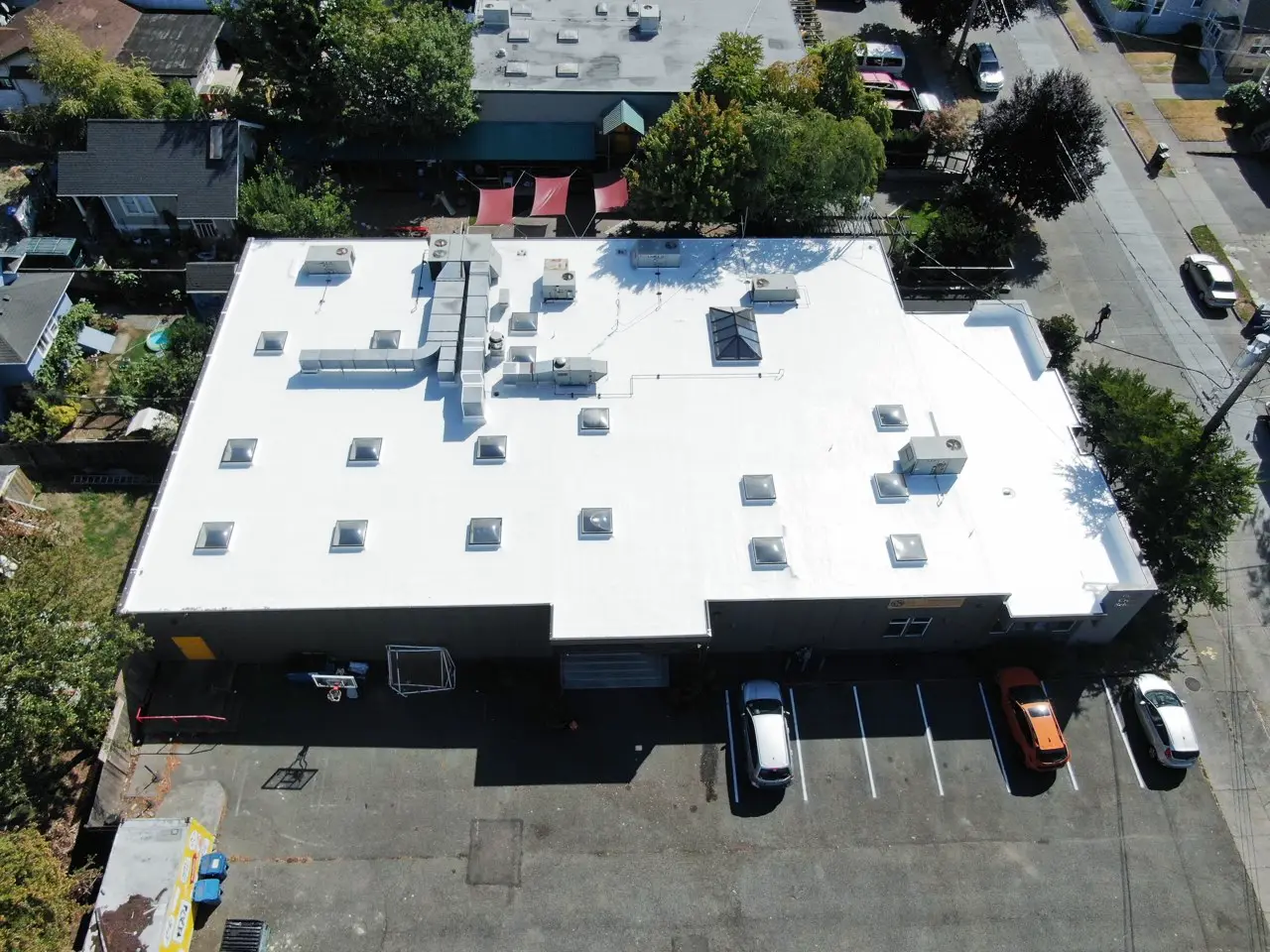
Richmond City Public Schools, serving approximately 22,000 students across Richmond's urban core, manages a building portfolio that spans the full historical range of Virginia public school construction — from early twentieth century masonry buildings in historic neighborhoods like Church Hill and the Fan to mid-century additions and contemporary replacement schools built under the division's recent capital improvement program. Roofing work within the Richmond City public school system requires contractors who understand Virginia public procurement law, the specific technical challenges of Richmond's climate, and the occupied-building management complexities of urban school facilities that serve as community anchors year-round.
Virginia's climate places Richmond in a demanding zone that combines hot, humid summers with enough winter ice events to create meaningful freeze-thaw stress on roofing systems. Richmond sits at the southern edge of the zone where freezing precipitation is common enough to cause ice damming at eave edges and freeze-thaw expansion at parapet caps. At the same time, summer humidity and heat combine to create thermal cycling loads that stress membrane seams and accelerate UV degradation on dark-surfaced assemblies. A roofing system for a Richmond school must be designed to handle both extremes without requiring different specifications for different sections of the building.
Virginia does not have a state prevailing wage law that applies generally to public school construction, which means Richmond City school roofing projects are priced in a competitive open market. Virginia's Public Procurement Act governs competitive bidding requirements for school division contracts, with formal Invitation for Bids required above established thresholds. Performance and payment bonds, certificates of insurance, and Virginia contractor licensing (Class A or B depending on project value) are standard requirements that apply to all qualified bidders. Contractors who have not worked in Virginia public school procurement should review these requirements carefully before submitting their first bid.
Summer scheduling provides Richmond City schools with a 10 to 12 week unoccupied period from mid-June through late August. Summer in Richmond is hot and humid, but these conditions are manageable for experienced crews and are far preferable to trying to execute major roofing work during the school year. Contractors should maintain hydration and heat protection protocols appropriate for Richmond's summer conditions, particularly during July and August when sustained temperatures regularly exceed 95°F and roof surface temperatures on existing dark systems can approach 160°F.
Budget cycles for Richmond City Public Schools operate on a fiscal year (July 1 to June 30) basis, with capital budgets determined through the annual City of Richmond budget process and school board approval. Capital roofing projects are typically funded through a combination of the division's capital outlay funds and City of Richmond capital improvement appropriations. Virginia's Literary Fund provides low-interest loans for school construction and renovation, and Richmond City has historically used Literary Fund financing for major capital projects including roofing programs. Understanding the funding source helps contractors anticipate the compliance documentation requirements that attach to each funding stream.
The Richmond City school portfolio includes a number of buildings with historic significance — either individually listed on the Virginia Landmarks Register or located within historic district boundaries where the Virginia Department of Historic Resources may review exterior modifications. Roofing projects on these buildings require early consultation with VDHR and potentially the Virginia State Review Board to ensure that proposed materials and approaches are consistent with the Secretary of the Interior's Standards for Rehabilitation. An experienced Richmond school roofing contractor will identify historic review requirements at the project outset and help the division navigate the process efficiently.
Richmond's position as a majority-minority city with significant economic challenges means that many of its school buildings serve populations who depend heavily on the continuity and quality of the educational environment. A roof that fails during the school year — causing classroom closures, water damage to computers and educational materials, or mold conditions that trigger health concerns — has direct consequences for students who cannot simply transfer to another school without significant disruption. This context underscores the importance of installing the highest quality system the capital budget permits and maintaining it proactively between replacement cycles.
Institutional roofing specifications for Richmond City school projects typically address the full range of conditions that the division's facilities team encounters: wet insulation removal provisions, deck assessment and repair protocols, equipment curb replacement or rehabilitation standards, edge metal and drainage requirements, and warranty terms. Specifications developed by the division's design consultants or its facilities department serve as the baseline for competitive bids, and contractors are generally expected to bid to the specification rather than substituting alternatives unless a formal value engineering or substitution request process has been established.
Long-term facility condition management is an emerging priority for Richmond City Public Schools as the division's capital improvement program matures and the age profile of the building portfolio continues to shift. A formal roof asset management plan — tracking membrane age, documented repair history, estimated remaining service life, and projected replacement costs across all buildings — gives the division the financial data it needs to program capital spending rationally over a multi-year horizon rather than reacting to the most visible current emergencies. A commercial roofing contractor who can partner with the division in developing and maintaining this asset management data is providing institutional value that extends far beyond any single project.
- What procurement requirements apply to Richmond City Public Schools roofing projects?
- Virginia's Public Procurement Act requires formal competitive bidding through an Invitation for Bids for construction contracts above defined thresholds. Bidders must hold a Virginia Class A or Class B contractor license depending on project value, provide bid bonds, and be prepared to furnish performance and payment bonds upon award. The division's contracts office publishes solicitations through Virginia's eVA procurement portal, where registered vendors can access all current solicitations and submit bids electronically.
- How should Richmond school roofing specifications address wet insulation conditions?
- Specifications should include unit pricing for wet insulation removal and replacement based on square footage discovered during tear-off, rather than requiring the contractor to include a fixed estimated amount in the base bid. Core cut assessments before bidding can reduce unknowns, but some wet insulation is typically discovered only after tear-off begins. Unit pricing allows the contract to accommodate actual conditions without the margin padding that contractors add to fixed-price bids when wet insulation risk is unquantified.
- What are the freeze-thaw design requirements for Richmond school roofs?
- Key design responses to Richmond's freeze-thaw conditions include: parapet height sufficient to prevent ice dam infiltration (minimum 8 inches above finished roof surface at drain locations), positive slope to drains throughout the field with crickets between drain locations, mechanical termination of all perimeter edges rather than reliance on adhesive or sealant connections that lose bond during freeze-thaw cycling, and proper insulation thickness to slow heat transfer through the roof assembly that would otherwise create ice damming at eave edges.
- Does the Virginia Literary Fund support school roofing projects?
- Yes. Virginia's Literary Fund provides low-interest construction loans to school divisions for qualifying capital projects, including major roofing replacements. Divisions must apply through the Virginia Department of Education and meet program eligibility requirements. Literary Fund loans typically offer interest rates significantly below market rates and provide an attractive financing option for divisions whose capital budget allocations are insufficient to fund a needed roofing replacement on a pay-as-you-go basis.
- What warranty documentation should Richmond City Public Schools require at project completion?
- Require the manufacturer's NDL (No Dollar Limit) warranty certificate naming Richmond City Public Schools as warranted owner, the contractor's written workmanship warranty (minimum two years), as-built drawings, final inspection reports from both the contractor's quality control inspector and the building department, lien releases from all subcontractors and major material suppliers, and a written maintenance protocol. Submit all documentation through the division's project management system and retain copies in both the specific school's building file and the division's central facilities records.
Talk to a Richmond commercial roofer
Tell us about the building and the issue. We will set up a roof walk and get you a clear, documented scope.