
Hotel Roofing in Richmond, VA
Commercial roofing for full-service hotels, limited-service hotels, extended-stay properties, and hospitality brands throughout Richmond, VA.
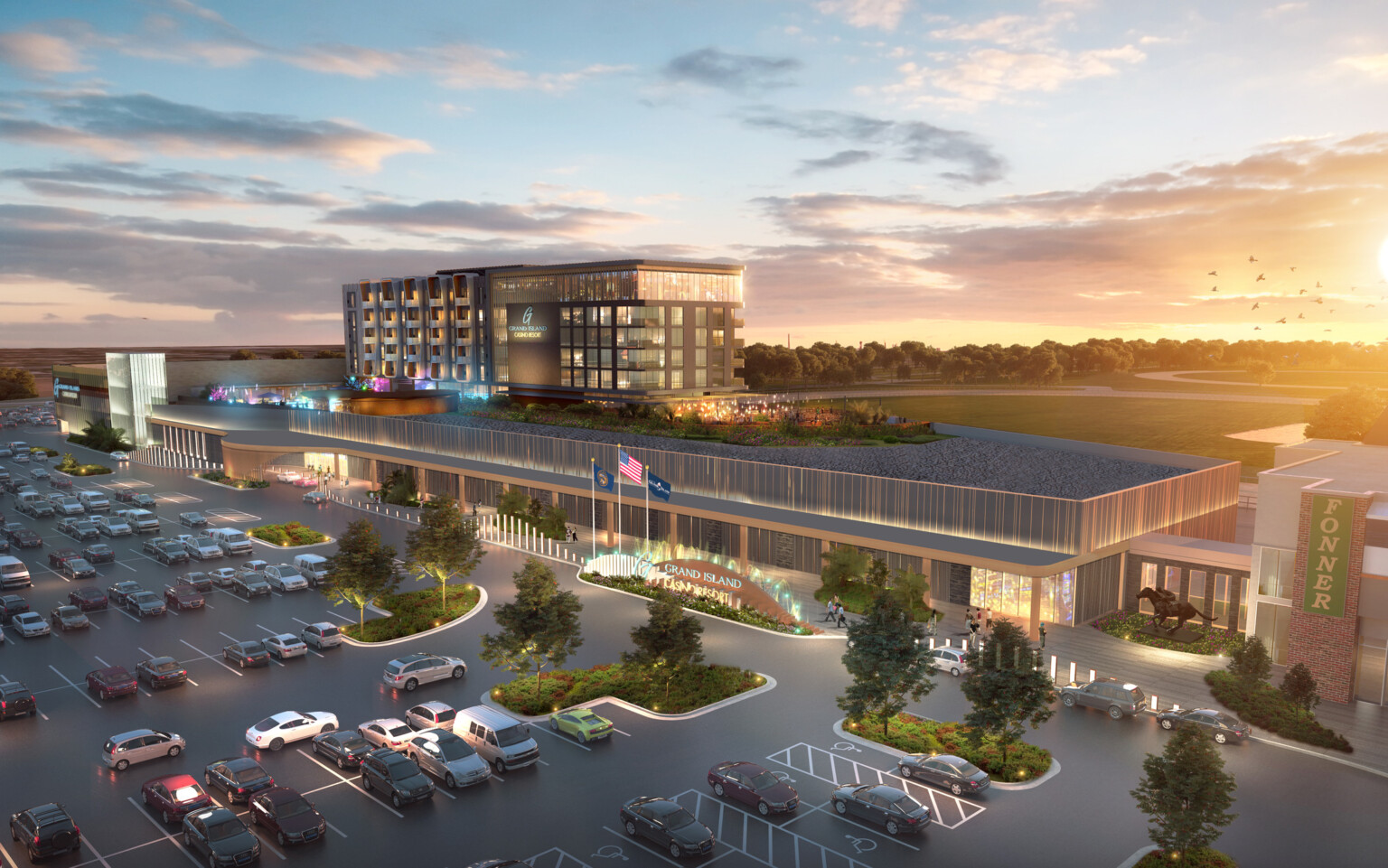
Richmond's hotel market has evolved alongside the city's transformation from a largely government and tobacco-industry economy to a diversified hub driven by financial services, healthcare, and an emerging technology sector. The Virginia Commonwealth University medical center generates consistent healthcare travel demand, while state government and legislative activity drives occupancy in properties near the Capitol Square and downtown corridor. The addition of the Greater Richmond Convention Center has brought group and convention business that sustains full-service hotel inventory, and the growing food and arts tourism that has made Richmond a recognized culinary destination adds leisure demand to what was historically a primarily transient business travel market.
Richmond sits at a climate crossroads that makes hotel roofing a year-round concern. Summer brings high heat and humidity that stresses membrane systems and drives HVAC costs, while winter delivers a mix of rain, ice storms, and periodic heavy snowfalls that challenge drainage and membrane integrity in ways quite different from the summer stress cycle. The Appalachian terrain to the west funnels precipitation events through the region with regularity, and Richmond's location in a river valley can produce localized heavy rainfall events that overwhelm drainage systems designed for average return intervals. The James River flood plain dynamic is mostly a ground-level concern, but intense localized downbursts can produce short-duration rainfall intensities that test hotel roof drainage adequacy.
Full-service hotels in the Shockoe Bottom historic district and the Riverfront Plaza area manage roofing systems that must integrate with historic building fabric in ways that satisfy both preservation standards and modern waterproofing requirements. Properties that have converted tobacco warehouses, early 20th-century commercial buildings, or antebellum structures face the specific challenge of anchoring contemporary commercial roofing systems to original wood or masonry roof decks without damaging historic building elements. The tradeoff between preservation requirements and optimal roofing performance requires contractors who understand both categories of requirement and can propose solutions acceptable to the State Historic Preservation Office when applicable.
Limited-service hotels along the West Broad Street corridor in Henrico County and the Midlothian Turnpike in Chesterfield County serve the suburban corporate and leisure market that represents the volume segment of Richmond's hotel industry. These properties are often part of larger investment portfolios where capital is allocated across multiple assets, and Richmond properties compete with other portfolio assets for roofing and renovation dollars. Demonstrating the revenue protection value of proactive roofing maintenance—through concrete examples of reduced emergency repair costs, avoided guest satisfaction losses, and extended membrane service life—is often necessary to win capital allocation against competing priorities.
Extended-stay properties in Richmond benefit from consistent demand from VCU Health System, Bon Secours, and HCA Healthcare employment markets where travel nurses, medical professionals, and research staff require extended accommodations. These healthcare-adjacent travelers have high expectations for building cleanliness and maintenance quality, and properties that show evidence of deferred maintenance—including the ceiling staining and musty odors that roof leaks produce—lose bookings to competing properties quickly. The extended-stay segment's revenue per available room is highly sensitive to this type of guest satisfaction signal, making roofing maintenance a direct revenue line item rather than purely a cost of ownership.
Membrane selection for Richmond hotel roofing must account for the region's specific combination of summer UV exposure, high humidity, and winter freeze-thaw cycling. TPO systems have performed well on newer Richmond hotel properties where installation quality is strong and reflective properties help manage summer cooling loads. EPDM remains a competitive choice for Richmond properties where the membrane's long track record in mid-Atlantic climate conditions provides confidence in long-term performance. Modified bitumen with APP or SBS polymer modification has served Richmond's older hotel inventory well, and in-kind replacement of existing modified bitumen systems is often appropriate when the substrate condition is sound and the existing system is not yet at end of service life.
Brand PIPs affecting Richmond hotel properties often arrive when franchise flag standards have been upgraded to reflect newer property openings in the region. When a new Marriott or Hilton property opens in Richmond with contemporary design standards, it can trigger accelerated PIP requirements for older franchise properties that now fall further below brand expectations on comparison. Roofing condition is typically part of the exterior building envelope assessment in brand PIP documentation, and properties with visibly aging membranes, failed flashings, or deteriorating coping caps are likely to face mandatory roofing replacement as a PIP compliance item.
Richmond's winter ice storm risk is comparable to Raleigh's and poses specific maintenance challenges for hotel roof systems. The Virginia capital sits in a zone where precipitation events during winter months frequently arrive as freezing rain rather than snow, coating low-slope roof membranes with ice that blocks drain covers and scuppers. Properties with flat roof sections that have minimal positive slope toward drains are particularly vulnerable to ice accumulation causing trapped standing water that then exerts hydraulic pressure on membrane seams and flashings. Pre-winter drain inspection and minor slope correction work, where feasible, can significantly reduce ice dam vulnerability on Richmond hotel properties.
Richmond's hotel development continues in the Scott's Addition neighborhood, the Diamond District area near the new development rooted in the proposed new Richmond Flying Squirrels stadium, and along the corridor connecting VCU's main campus to the medical campus. New construction in Richmond must meet Virginia's commercial energy code requirements, and roofing assemblies on new hotel projects are typically specified with continuous insulation R-values well above code minimums to optimize long-term energy performance in Richmond's climate. Working with a roofing contractor who understands current Virginia energy code requirements and brand standard specifications ensures that new hotel properties start life with roofing systems that support operations for their full intended service life.
- How does Richmond's mixed winter precipitation affect hotel roofing maintenance planning?
- Richmond's winter precipitation pattern—which frequently includes freezing rain and ice rather than clean snowfall—creates specific roofing risks including drain blockage, ice dam formation at parapet walls, and hydraulic pressure against membrane seams when meltwater is trapped by ice accumulations. Pre-winter inspections should confirm that all drain covers and scuppers are clear, that membrane seams are intact at drain locations and along parapet walls, and that positive slope toward drains is maintained. Establishing a relationship with a responsive roofing contractor before winter allows for rapid drain clearing and emergency response if ice accumulation creates an imminent leak risk during a winter event.
- What roofing considerations apply to Richmond hotel properties in historic converted buildings?
- Hotels in converted historic buildings in Richmond's Shockoe Bottom, Jackson Ward, and Carver neighborhoods require roofing systems that integrate with original masonry and structural elements without damage that would violate preservation standards. Contractor selection should include verification of experience with historic building roofing in Virginia and familiarity with State Historic Preservation Office guidelines that may apply to properties in historic districts or on the National Register. Modern single-ply membranes can typically be installed over historic substrates with appropriate transition details, but the specific approach requires engineering review of the existing roof deck and parapet conditions.
- How does the healthcare travel market in Richmond affect guest sensitivity to roofing-related issues?
- Healthcare travelers associated with VCU Health, Bon Secours, and HCA facilities in Richmond tend to occupy extended-stay and limited-service properties for longer periods than transient business travelers, giving them more opportunity to observe and be affected by maintenance quality issues. Ceiling staining, musty odors, or HVAC inconsistencies traceable to roof problems are among the most reliably documented complaint categories from healthcare-adjacent guests who often coordinate their accommodations through institutional travel management programs. Maintaining clean, dry, odor-free guestroom environments directly protects institutional accounts that generate predictable monthly revenue.
- What is the typical cost structure for a preventive roofing maintenance program for a Richmond hotel?
- A structured preventive maintenance program for a mid-sized Richmond hotel typically involves two inspection visits per year—spring and fall—plus an annual drain clearing service, with minor repairs addressed on a time-and-materials basis as identified during inspections. Annual program costs vary with property size and membrane condition but are consistently lower than the cost of emergency repairs caused by deferred maintenance over a multi-year period. Properties that document their maintenance programs also benefit from faster insurance claims resolution when storm damage occurs, because they can demonstrate pre-storm membrane condition clearly.
- How should Richmond hotel owners approach a brand PIP that includes roofing requirements?
- Owners facing a brand PIP that includes roofing requirements should engage a qualified commercial roofing contractor to conduct a comprehensive condition assessment before responding to the brand's PIP documentation, so that they understand the actual scope of work required versus what the brand inspector may have estimated. If condition documentation shows that the existing membrane system has meaningful remaining service life, this evidence can support negotiation of a more favorable compliance timeline. Owners who engage brand representatives proactively and demonstrate asset stewardship through maintenance records typically achieve better PIP outcomes than those who respond reactively.
Talk to a Richmond commercial roofer
Tell us about the building and the issue. We will set up a roof walk and get you a clear, documented scope.